Search SE Ocean

Type at least 2 characters to begin.

Press Esc to close and return to your page.

Saved articles

This list is saved in the browser you are using on this device.

No saved articles yet. Use the bookmark icon on an article to save it for later.

CV & Credentials

Download the profile documents as PDFs to keep and read.

Credentials

Background, thinking and experience · 25 pages · PDF

CV

Professional experience at a glance · 2 pages · PDF

Privacy settings

You can change your choice at any time in the footer. Reading and contacting us do not require analytics consent.

Necessary

Remembers your language, theme and saved articles in this browser.

Always on
Marketing

Not enabled. No Meta Pixel or advertising tags. Analytics consent does not enable marketing.

Off

Consent and saved articles from previous domains are not imported automatically. Any future measurement will be explained and require a new consent choice before activation.

Privacy enquiries: hello@seocean.co.th

Privacy details

Essay · Parit Ritchai

Does automation save work if someone must watch it constantly?

If a system collapses without human vigilance, it is not a system. It is deferred responsibility.

Related themes
Human Impact

Share this article
Facebook ↗ LINE ↗ LinkedIn ↗ X ↗
"If a system collapses without human vigilance, it is not a system. It is deferred responsibility."

Automation is often introduced to reduce effort. To remove repetition. To free people from unnecessary labour.

Yet many automated systems do the opposite. They require constant monitoring. They demand standby humans "just in case". They create anxiety rather than relief.

If a system collapses without human vigilance, it is not a system. It is deferred responsibility.

When people are afraid to leave an automated workflow unattended, the automation has not reduced labour — it has relocated it into emotional space.

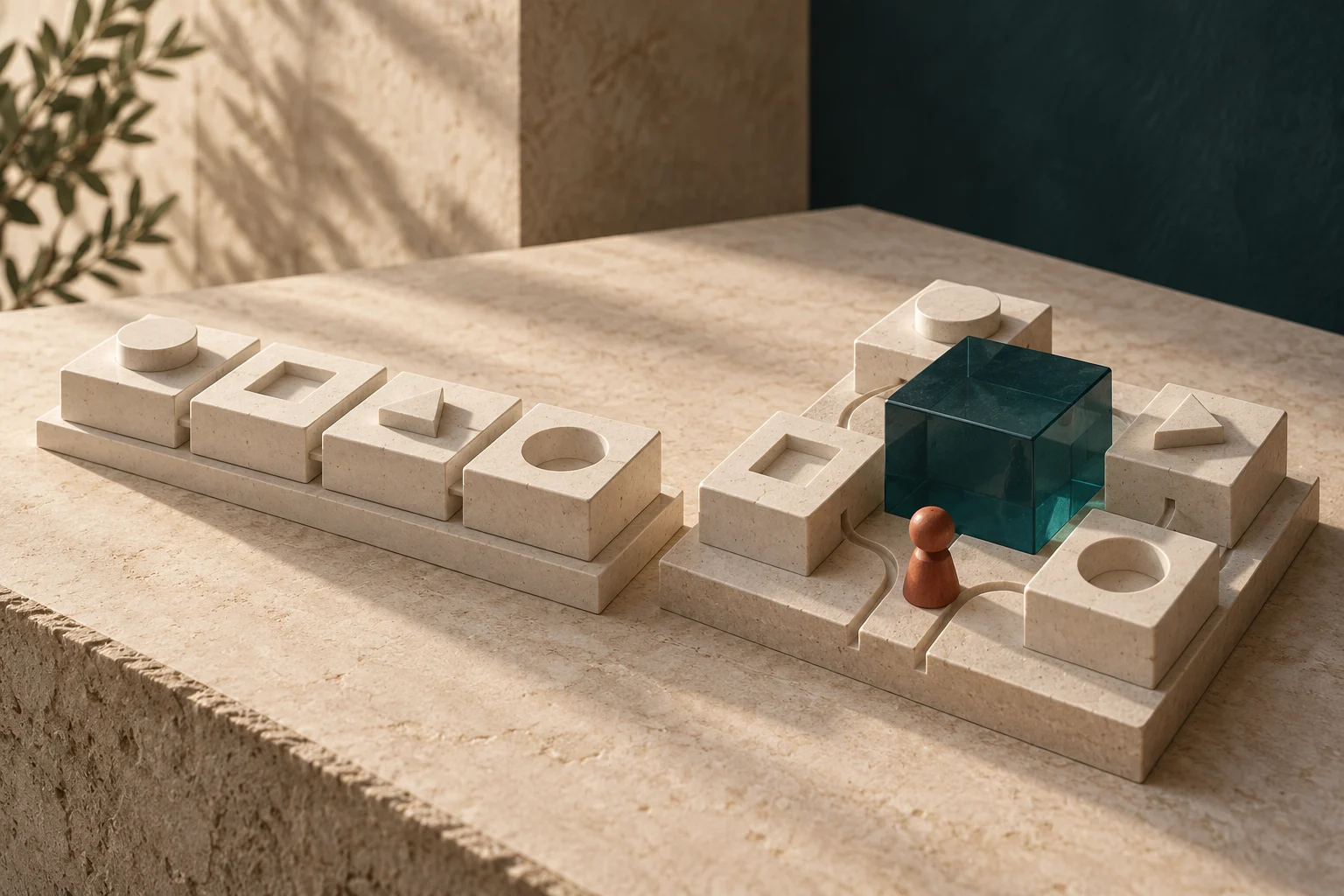
A correct system does not ask for fear. It creates trust through structure.

When automation increases vigilance instead of safety, the problem is not technical. It is architectural.

Take this reading into your own work

Did this bring your own work to mind?

Choose what feels closest to your situation for a perspective that may help you see it differently.

I want a clearer picture of the situation

Notice the people holding the work together

Work delivered on time can hide the effort of chasing, correcting and remaining available. That effort may never appear in a task report. Hearing from the people doing it can give a fuller picture.

One question you might keep with you is: If the person watching this could take a break, how would the work continue?

Discuss this with Parit

Keep this perspective, or choose to share your situation with Parit.

Details for a reply

Review or edit the attached summary before sending. Parit uses these details to consider and reply to this enquiry.

Add context (optional)

We use these details to assess your enquiry and reply. Please share only what we need for an initial conversation. How we use your data

Share this article
Facebook ↗ LINE ↗ LinkedIn ↗ X ↗