Search SE Ocean

Type at least 2 characters to begin.

Press Esc to close and return to your page.

Saved articles

This list is saved in the browser you are using on this device.

No saved articles yet. Use the bookmark icon on an article to save it for later.

Company & founder documents

Download the company profile, founder credentials and CV as PDFs.

SE Ocean Company Profile

Services, ways to work together and founder experience · 8 pages · PDF

Credentials

Background, thinking and experience · 25 pages · PDF

CV

Professional experience at a glance · 2 pages · PDF

Privacy settings

You can change your choice at any time in the footer. Reading and contacting us do not require analytics consent.

Necessary

Remembers your language, theme and saved articles in this browser.

Always on
Marketing

Not enabled. No Meta Pixel or advertising tags. Analytics consent does not enable marketing.

Off

Consent and saved articles from previous domains are not imported automatically. Any future measurement will be explained and require a new consent choice before activation.

Privacy enquiries: hello@seocean.co.th

Privacy details

Essay · Parit Ritchai

Does automation save work if someone must watch it constantly?

If a system collapses without human vigilance, it is not a system. It is deferred responsibility.

Related themes
Human Impact
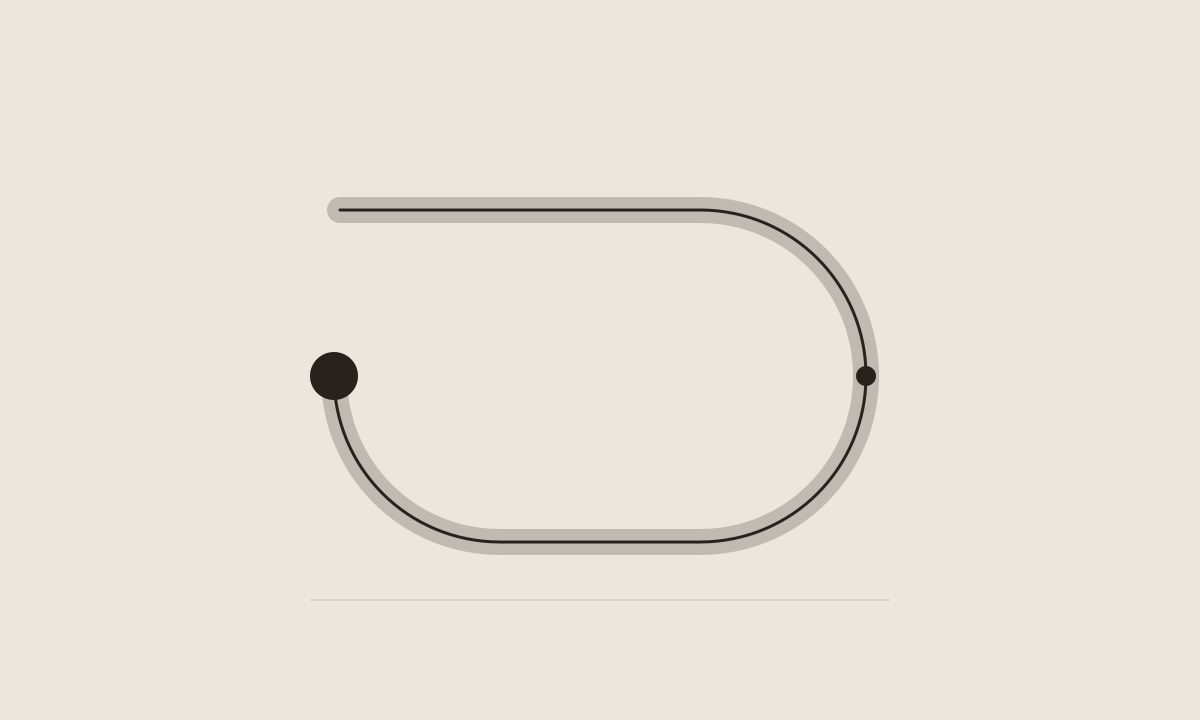
Illustration of automation that still needs vigilance
"If a system collapses without human vigilance, it is not a system. It is deferred responsibility."

Automation is often introduced to reduce effort. To remove repetition. To free people from unnecessary labour.

Yet many automated systems do the opposite. They require constant monitoring. They demand standby humans "just in case". They create anxiety rather than relief.

If a system collapses without human vigilance, it is not a system. It is deferred responsibility.

When people are afraid to leave an automated workflow unattended, the automation has not reduced labour — it has relocated it into emotional space.

A correct system does not ask for fear. It creates trust through structure.

When automation increases vigilance instead of safety, the problem is not technical. It is architectural.


Share this article
Facebook ↗ LINE ↗ LinkedIn ↗ X ↗

Does this connect with your work?

If you are facing a similar challenge, share your business context with Parit and discuss a suitable way forward.

Discuss this with Parit