SE Ocean Insights
See the system clearly before prescribing an answer.
Writing that names structural tensions, separates symptoms from systems, and tests the method against real operating situations.
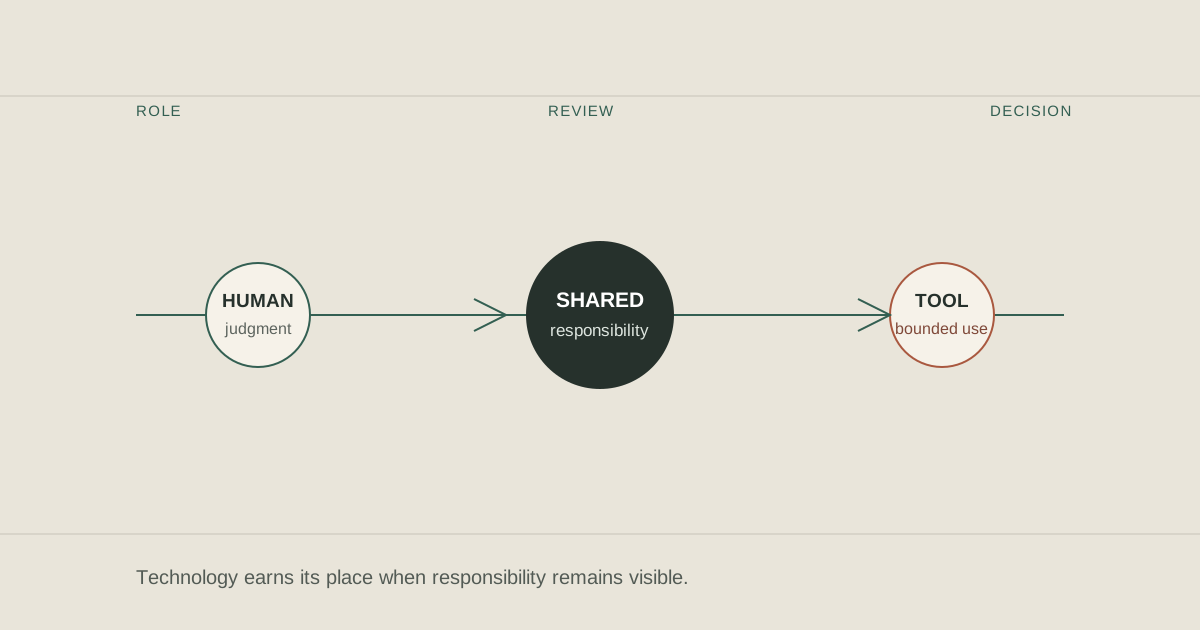
Technology Adoption · Decision Scope
AI Adoption vs AI Transformation: What Actually Changes?
Giving people AI access is not the same as changing how work happens. Adoption is a bounded operating change; transformation is needed only when the wider system must change with it.

Decision Gate · Change Risk
Before You Hire, Restructure, or Add Approval: Test the Story First
A costly organizational change can be necessary and still be based on a partial story. The responsible question is what the change will relieve—and what it may move somewhere else.
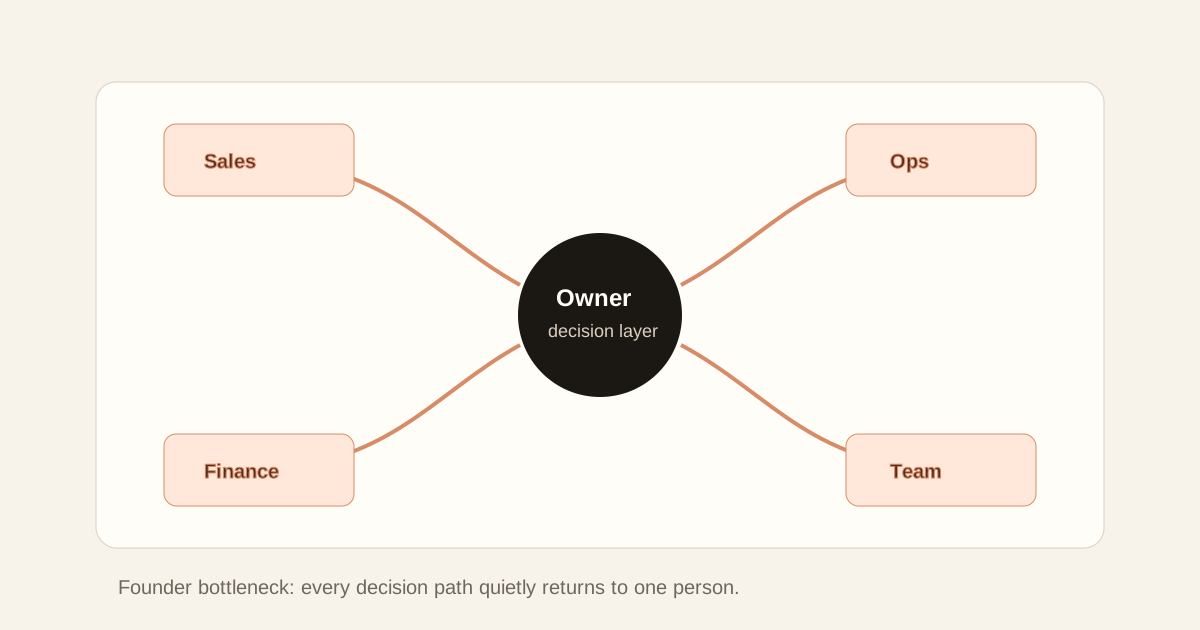
Decision Authority
Why Important Decisions Keep Returning to One Leader
A leader can be exhausted by decisions without being unable to delegate. Sometimes the work has moved, but the organization has not created a safe place for consequential decisions to land.
Synthetic Decision Gate · Technology Adoption
When Tools Make Old Confusion Faster
A new tool can accelerate work while leaving the decision path, human review, and exception logic exactly as unclear as before.
Decision Gate · Human-Centered Adoption
Before You Ask People to Adopt AI, Decide What Work Should Change
People do not resist a tool in the abstract. They respond to what it changes about competent work, accountability, and the future of their role.
Operating Model Design
Find the Decision Path Before Redesigning a Workflow
A workflow shows the sequence of tasks. A decision path reveals the choices that alter cost, risk, priority, or customer impact. Redesign needs both.

AI Workflow Governance
AI Adoption Fails When Accountability Is Undefined
AI can accelerate a workflow, but it cannot answer who owns a harmful output, an exception, or the decision to act. That accountability has to be designed first.
Structural Diagnosis
Why Recurring Problems Survive New Tools and Reorganizations
When the same problem returns after new tools, people, or a reorganization, the useful question is not who failed. It is what the system still requires people to work around.